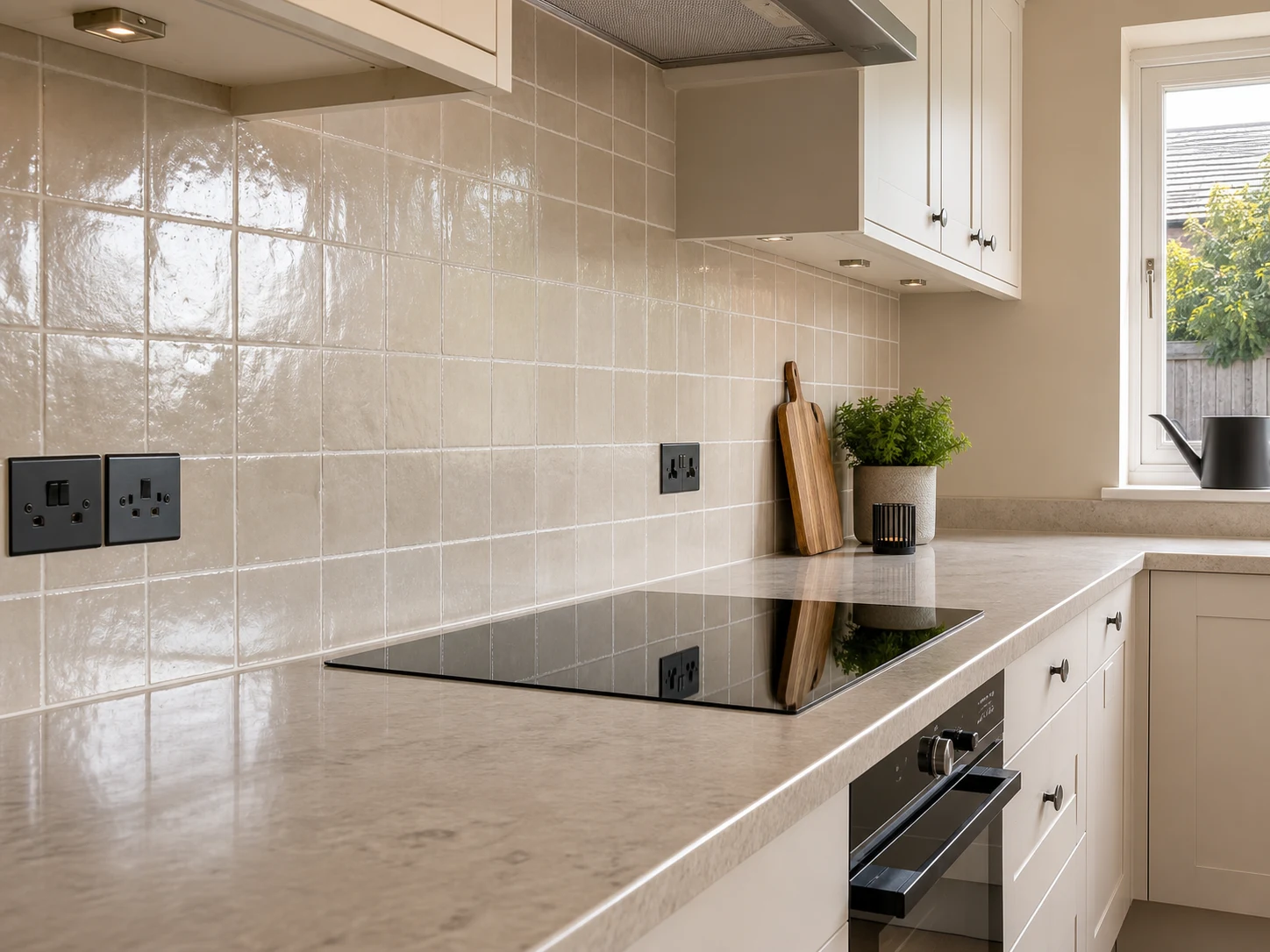
Tile projects are one of those home improvements where the final result can completely transform a space, yet the work that goes on behind the scenes gets far less attention than it deserves. In Worthing, housing stock ranges from Victorian terraces to modern builds, and each type of property brings its own set of structural quirks. The reality is that a stunning tile choice means very little if the preparation, adhesive selection, or finishing details are rushed. Too often, homeowners focus heavily on styles and colours while overlooking the practical factors that determine whether a floor or wall will hold up for years, or start showing signs of stress much sooner.
This guide covers the checks worth doing before any work begins, where common errors tend to appear, and how setting realistic expectations around preparation and curing protects your budget in the long run.
Substrate Preparation Is Where Most Projects Go Wrong
The surface you are working on dictates everything about the installation. A lot of homeowners assume that if a floor feels solid underfoot, it is ready for tiles. That is rarely the case. Flatness, structural stability, and moisture content are far more important than how level the eye perceives the room to be.
If a substrate is not properly flat, tile adhesive cannot bond evenly across the entire surface of the porcelain or ceramic. This leads to hollow spots, cracked tiles after heavy furniture is moved, or uneven edges where one tile sits higher than its neighbour, known as lippage. In older properties common around Worthing, floorboards often flex slightly under load, and solid concrete may have been levelled with incompatible materials in previous decades. Both require specific preparation methods.
A experienced tiler will not just slap adhesive onto a board or uneven concrete. The correct process usually involves checking for movement, applying the right primer for the substrate type, using a suitable self-levelling compound to achieve industry standards for flatness, and allowing adequate curing time before installation begins. Skipping any of these steps to save time or money almost always results in premature failure.
Grouting Choices Can Make or Break a Finished Room
Once the tiles are down, grout is what locks everything together and keeps moisture out. Yet this is another area where homeowners frequently make missteps before bringing in a specialist. The most common mistakes homeowners make before hiring a tiler often revolve around underestimating how critical the grouting stage is for longevity.
Choosing the wrong type of grout for your tile selection is an easy error. Large format porcelain tiles, for example, require wider joints and flexible, high-performance grout to accommodate minor building movement. Grouting natural stone demands a sealant applied after installation to prevent staining and moisture ingress. Using a standard cementitious mix where an epoxy or polymer-modified blend is required will lead to cracking and colour inconsistency over time.
Colour matching is another consideration that deserves thought. A high-contrast grout can highlight every irregularity in the tile edges, while a mismatched shade can make a professional installation look rushed. The choice of spacers and levelling systems for cuts also matters. Good spacing ensures consistent joints that are easier to keep clean and less prone to trapping dirt.
Realistic Expectations Around Timing and Curing
Patience is just as important as the materials used. A frequent source of frustration is the timeline between installation and when a room can be fully used. Adhesives and grouts do not reach full strength overnight, and trying to walk on a floor or place heavy appliances too early can compromise the bond.
Most quality installations require curing time before grouting can begin, and another period after grouting before the surface is load-bearing. In damp properties or poorly ventilated rooms, this process takes longer due to moisture content in the substrate. Rushing these stages risks weakening the adhesive bond or causing grout to shrink excessively.
Understanding this timeline helps homeowners plan around their daily routines without putting pressure on the trade to deliver impossible results. A reliable installer will communicate clearly about when surfaces are safe for light use versus full loading, and will protect newly installed areas from damage during the curing phase.
When a Quick Quote Signals More Trouble Than Value
Price is obviously a factor, but the lowest quote rarely represents value when it comes to skilled tiling work. Quotes that seem too good to be true often exclude essential prep work, use inferior adhesives, or rely on labour shortcuts that are invisible until problems emerge.
When searching for Tiling Worthing services, look beyond the bottom line and ask what is included in the price. Does the quote cover substrate preparation? Levelling compounds? Waste disposal? Protection of surrounding surfaces during installation? A detailed breakdown helps you compare apples with apples and reveals where potential corners are being cut.
External guidance on renovation standards can be useful for setting benchmarks. The Federation of Tile Associations offers technical advice on proper installation methods and material selection, which can help homeowners identify whether a proposed approach aligns with industry best practices. For broader context on building regulations and moisture resistance in wet areas, GOV.UK provides official guidance on Approved Documents that affect how certain installations should be carried out.
Planning Ahead Prevents Regret Later
The finish you see is only the end of the story. Behind every durable tile installation is attention to flatness, correct adhesive selection, proper spacing, and realistic timelines for curing. By focusing on these practical details before work begins, homeowners can avoid costly repairs and ensure their investment holds up under daily use.
If you have questions about substrate preparation or want advice on what a quality installation looks like for your property, our experienced local specialists at Dave Rees Tiling are happy to discuss your project and set clear expectations from the start. A straightforward conversation early on saves time, money, and stress down the line.
A Final Thought on Quality
Tile projects reward patience and attention to detail. If you approach your renovation with a focus on preparation, material compatibility, and realistic timelines, the result will be a finish that looks great and performs reliably for years. For personalised guidance on your next project, feel free to get in touch for an informal chat about what works best for your home.